
Chocolate, a Sweet Danger
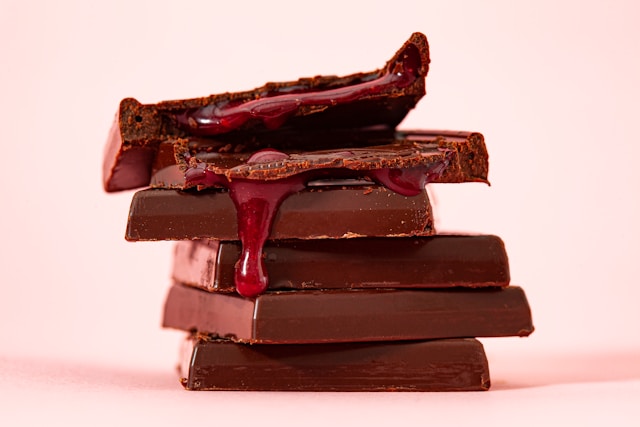
Chocolate is perhaps the most well-known, but often underestimated danger. It contains theobromine, a substance that dogs metabolize very slowly. Even a small amount can cause hyperactivity, tremors, and heart problems. The darker and more bitter the chocolate, the higher the concentration of toxins dangerous for your four-legged friend.
Grapes and Raisins, Small Natural Dangers
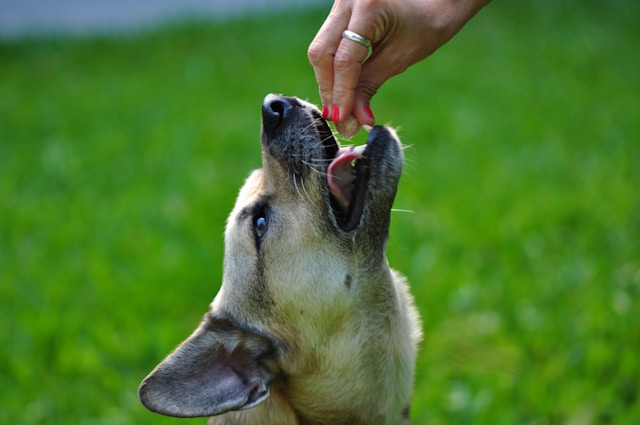
Although healthy snacks for us, grapes and raisins can be extremely toxic to dogs. Even small amounts can lead to sudden kidney failure. Initial symptoms include vomiting and lethargy. It is crucial to ensure that no grapes fall from the table, especially during holidays or breakfast.
Onion and Garlic, the Silent Anemia
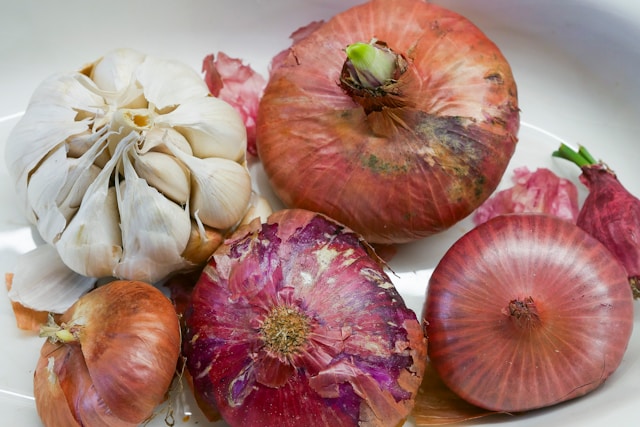
Present in almost every sauté, onion, garlic, and chives contain compounds that can damage a dog's red blood cells, leading to anemia. The danger exists whether they are raw, cooked, or in powder form. They often hide in the leftovers of our meals, making them an invisible risk to your pet's blood health.
Macadamia Nuts, an Unexpected Threat
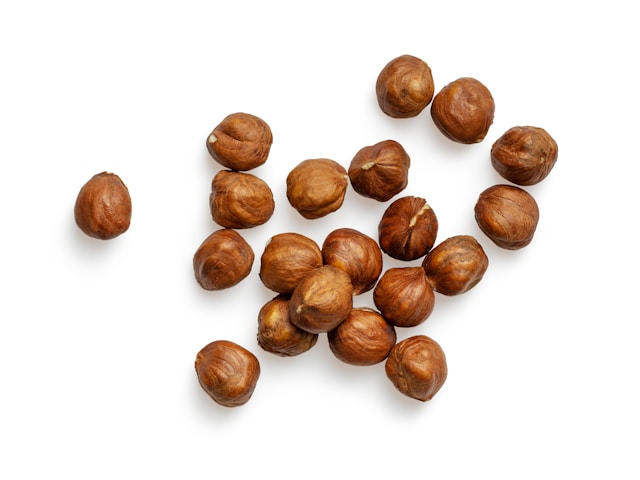
Often found in mixed nuts or cookies, Macadamia nuts are among the most toxic foods for dogs. Ingestion can cause weakness in the hind legs, vomiting, tremors, and hyperthermia. Although rarely lethal, the symptoms are very painful and stressful for the animal, often requiring immediate veterinary intervention.
Xylitol, the Sweetener to Avoid

Xylitol is an artificial sweetener found in many chewing gums, "sugar-free" candies, and even some types of peanut butter. In dogs, it causes a rapid release of insulin leading to dangerous hypoglycemia and, in severe cases, liver failure. Always check the labels before sharing a taste of your sweets.

.jpg)
