
Episodes of Disorientation: When Home Feels Strange
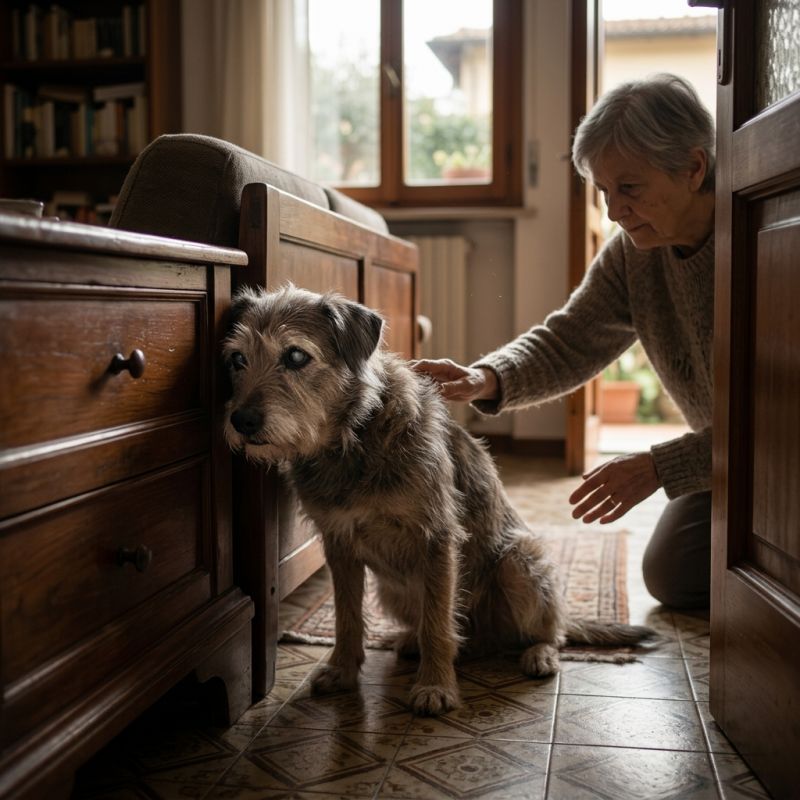
Getting stuck behind furniture, staring into space, or hesitating at the wrong side of the door to go out are emotionally strong signals that break the heart. Your dog is not ignoring you: they are experiencing moments of confusion. In these phases, your calm presence, your caresses, and gentle guidance are their only lifeline to regain lost security.
Opaque or Bluish Look: When Vision Begins to Decline
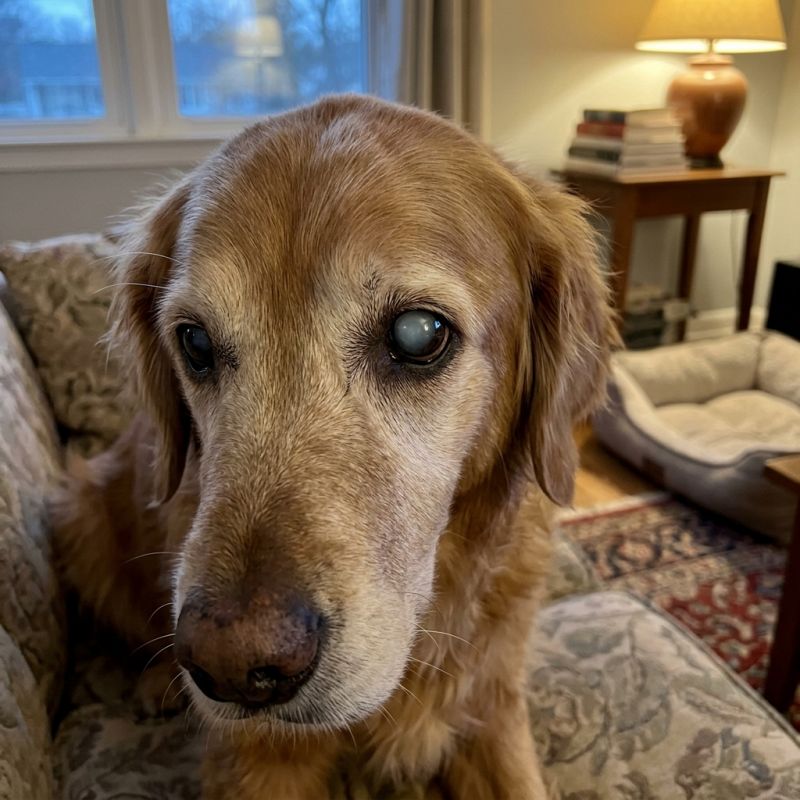
Looking into your loyal friend's eyes, you might notice a slight gray or bluish haze. While it could simply be age-related nuclear sclerosis, it might also be a sign of cataracts. The reduction in vision makes him more insecure, causing him to be startled by sudden noises or bump into objects in dimly lit environments. Creating a safe and stable home space will make him feel protected.
Difficulty in Movements: The First Warning Sign of Arthritis
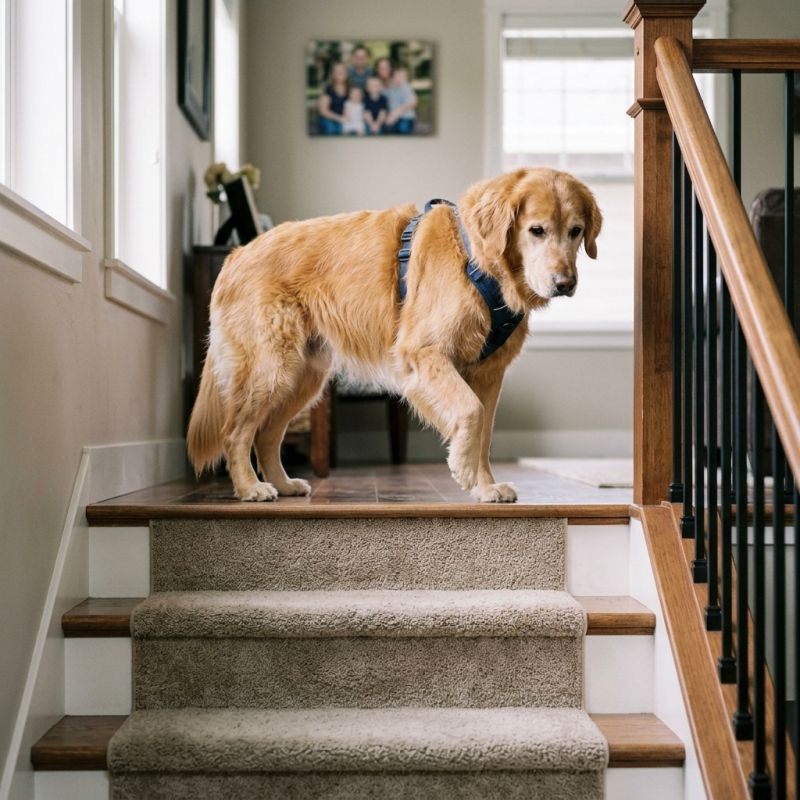
If you notice that your dog hesitates to get into the car, avoids stairs, or no longer jumps onto the couch with the usual ease, it's not laziness. Joint pain and arthritis develop slowly and silently. Often dogs suffer without complaining out of respect and love for us; recognizing it in time allows you to intervene with supplements or veterinary therapies that will radically improve their quality of life.
The Confusion of the Night
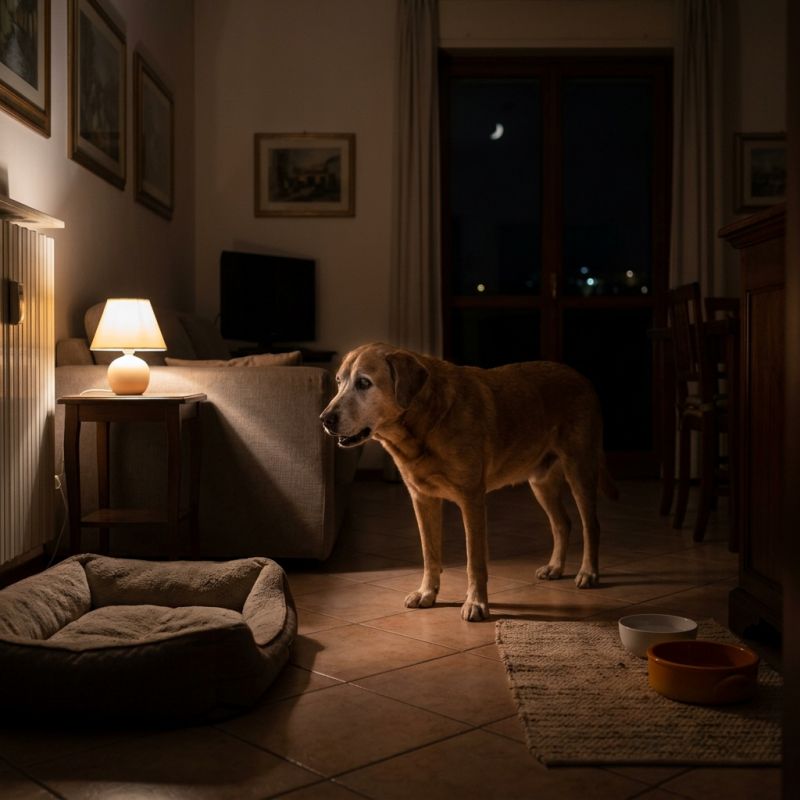
An aging dog may start sleeping almost all day only to wander restlessly around the house at night, whining or standing still in the dark. This change in habits is one of the main symptoms of canine cognitive dysfunction syndrome, a condition similar to human Alzheimer's. Helping him with a reassuring evening routine and a soft light can restore the serenity he needs.
Bad Breath and Difficulty Chewing: The Hidden Danger in Teeth
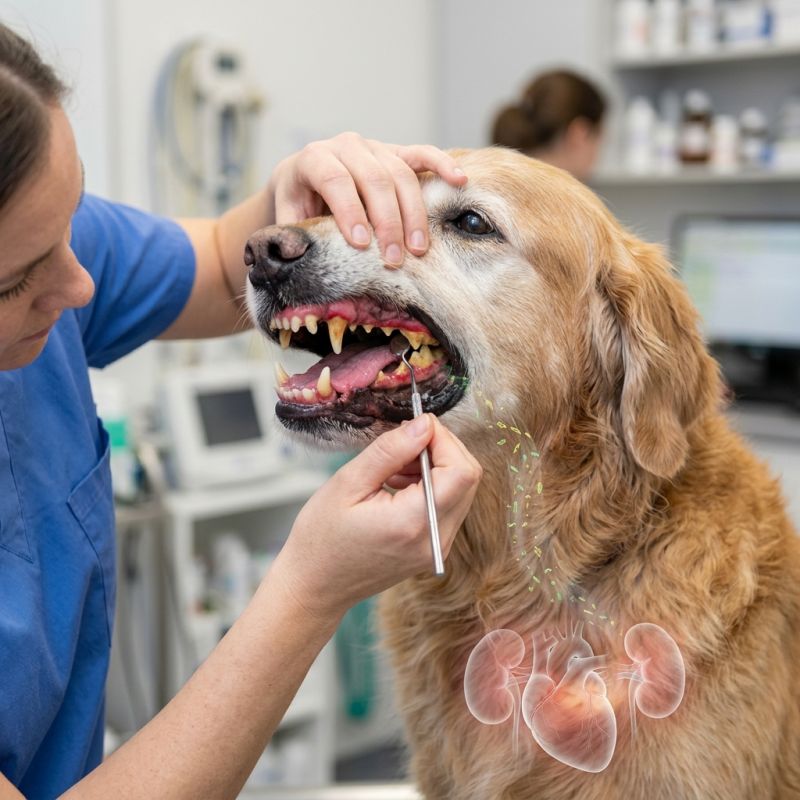
The buildup of tartar and gum inflammation not only cause a bad odor but also constant pain that leads the dog to chew on only one side or drop food from its mouth. Neglected dental infections can allow bacteria to enter the bloodstream, damaging vital organs such as the heart and kidneys. A veterinary dental check-up can spare them unnecessary suffering and prolong their life.
.jpg)
.jpg)
